Discover the charm of Rodia through nearby attractions and outdoor activities.
About the village of Rodia...
Rodia or Rogdia is a picturesque settlement, built amphitheatrically on the slope of Marmarokefala, at an altitude of 300m. Rodia with its panoramic view towards the wider area of Heraklion and Dia is located approximately 16km northwest of the capital.
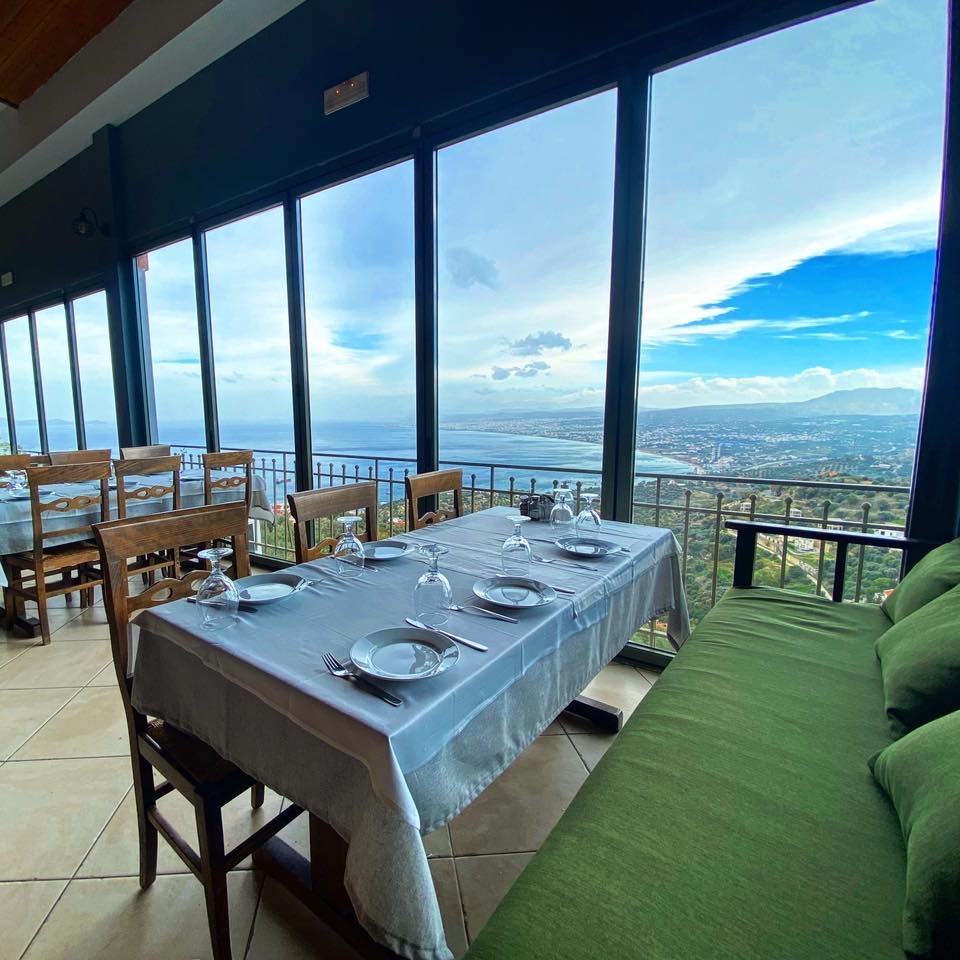
The local community of Rodia includes the settlements of Agios Dimitrios, Kapetanaki Metohi, Linoperamata, Moni Savvathianon, Paleokastro, Pantanasa and Plaitis. According to the 2011 census, there are 1,326 residents in the area, with 797 living in Rodia. The residents are engaged in agriculture, however, there are several restaurants in the area, which are filled by Heraklionites and foreigners who choose to enjoy their food with a wonderful view.
In the beautiful settlement is the Venetian Mansion of Georgios and Franciscus Modinos, which was declared a preserved monument and is a typical example of a residence of the Venetian period.
The first written mention of Rodia is in 1356 in a document of the Archive of the Duke of Crete, under the name Kera Rodea. This name follows the area until the end of the Venetian rule.
In Rodia we find the churches of Sotiros and Panagia of Rodia. Also close to the settlement is the Holy Monastery of Genesios of Theotokos Savvathianon, as well as the Monastery of Rodia.
Ammoudara beach
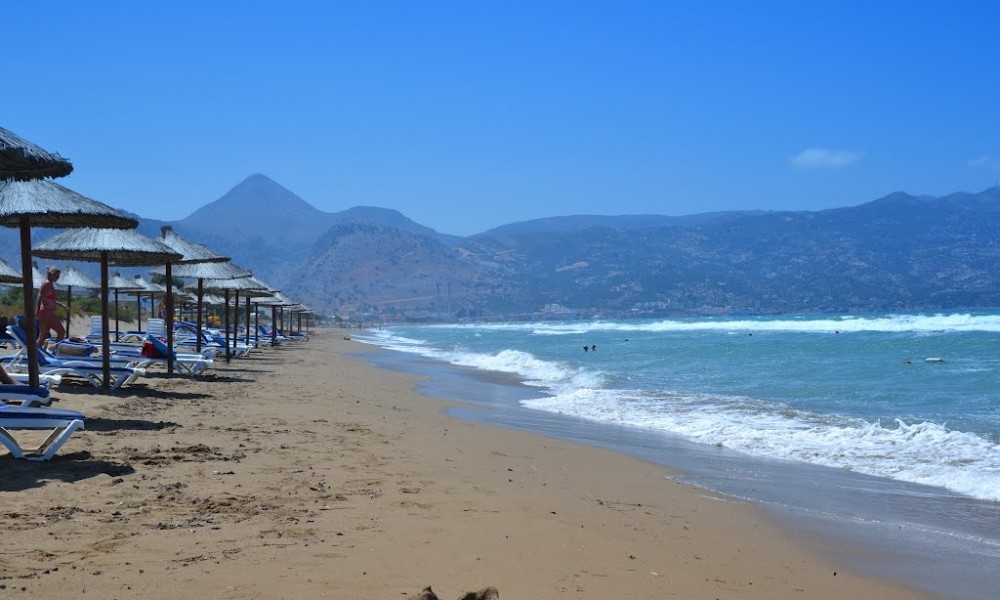
Ammoudara is a very long beach that starts in front of the Pankritio Stadium at the mouth of the Giofiros Potamos, 1 km west of the center of Heraklion, and reaches the mouth of Almyros river in the Hellinoperama area, 7 km further west. The main settlement of Ammoudara is located in a fertile plain with olive groves and belongs to the district of Gazi, the seat of the municipality of Malevizio, which is built on a low hill at a distance of about 2 km from the sea.
Ammoudara beach, as its name suggests, is a sandy beach with fine brown sand. Parallel to the coast along almost its entire length and at a distance of about 50m from the beach there is a rock that was the border of the beach in ancient times. The beach is so big that there are options for everyone, from those who want a lot of people to those who don't want any. The area of Pangreti Stadium and the adjacent marsh of Xiropotamos with the sand dunes is one of the places where one can completely isolate himself. Further west, where the many hotels of Ammoudara begin, we find organized beaches with sunbeds, umbrellas, beach bars, lifeguards, showers, changing rooms, water sports, etc. Among the organized areas, the protected estuaries of the Gazanos Potamos and Almyros Potamos are an exception. as well as the industrial zone of Ellinoperamat.
Agia Pelagia beach
Agia Pelagia is located in a fertile plain in the region of Achlada, 21 km west of Heraklion. Agia Pelagia, from a small settlement that served the port of Achlada at the beginning of the 20th century, has today evolved into a very popular tourist resort providing every comfort and very beautiful beaches. South of the Souda peninsula where the ancient Apollonia was built, the main beach of the settlement is formed with coarse sand and greenish waters. On summer evenings, dozens of young people flood the beach cafes and bars.
On the north side of the beach there is the cave of Euresi and a small iconostasis that is there to remind the place where the icon of Agia Pelagia was found a few centuries ago. On this occasion, they built nearby the Monastery of Agia Pelagia, which was well known throughout Crete. Thousands of believers came to the beach for the festival of Agia Pelagia and put their feet or buried themselves naked in the sand, to be cured of their illnesses.
Lygaria beach
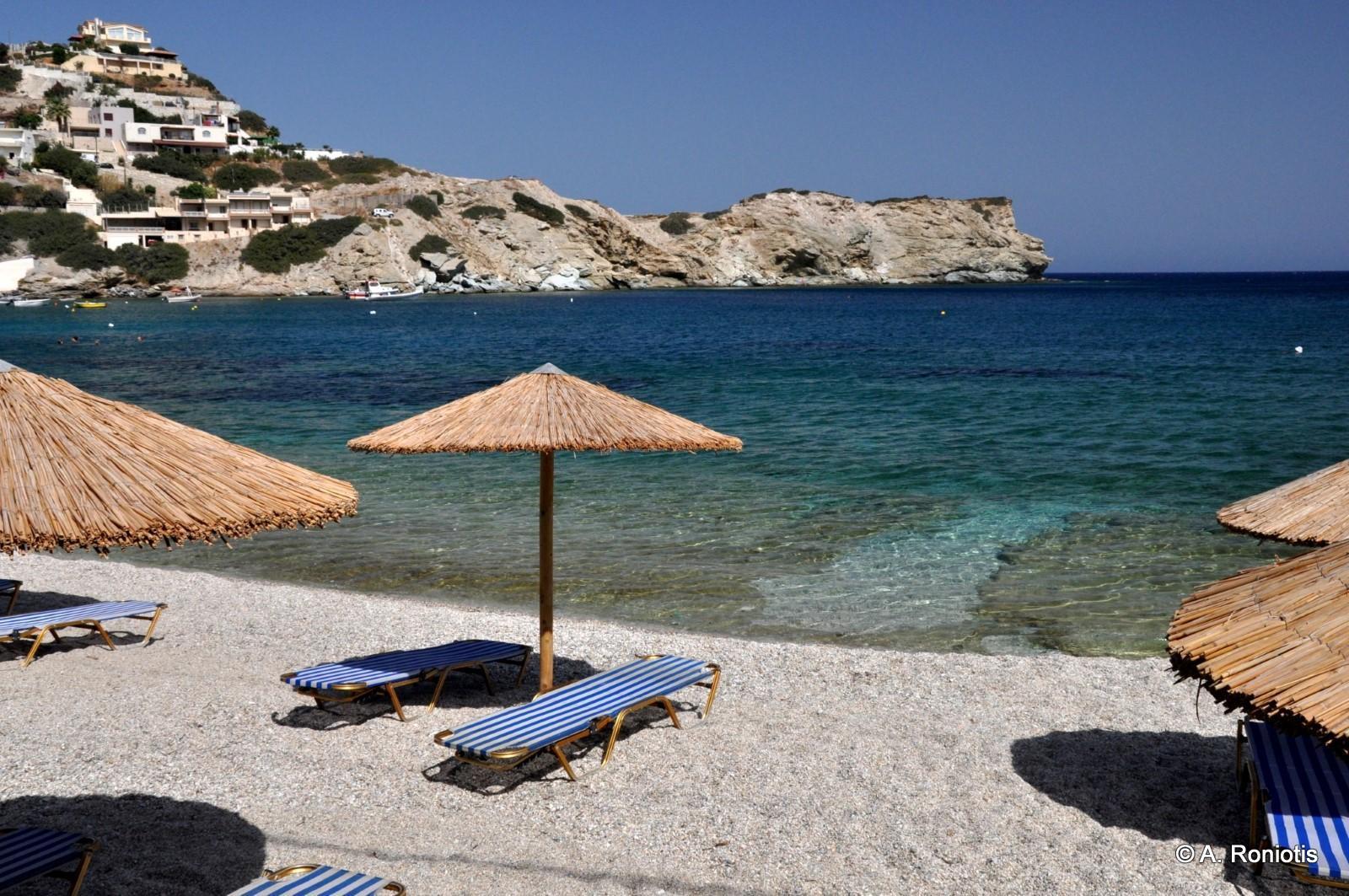
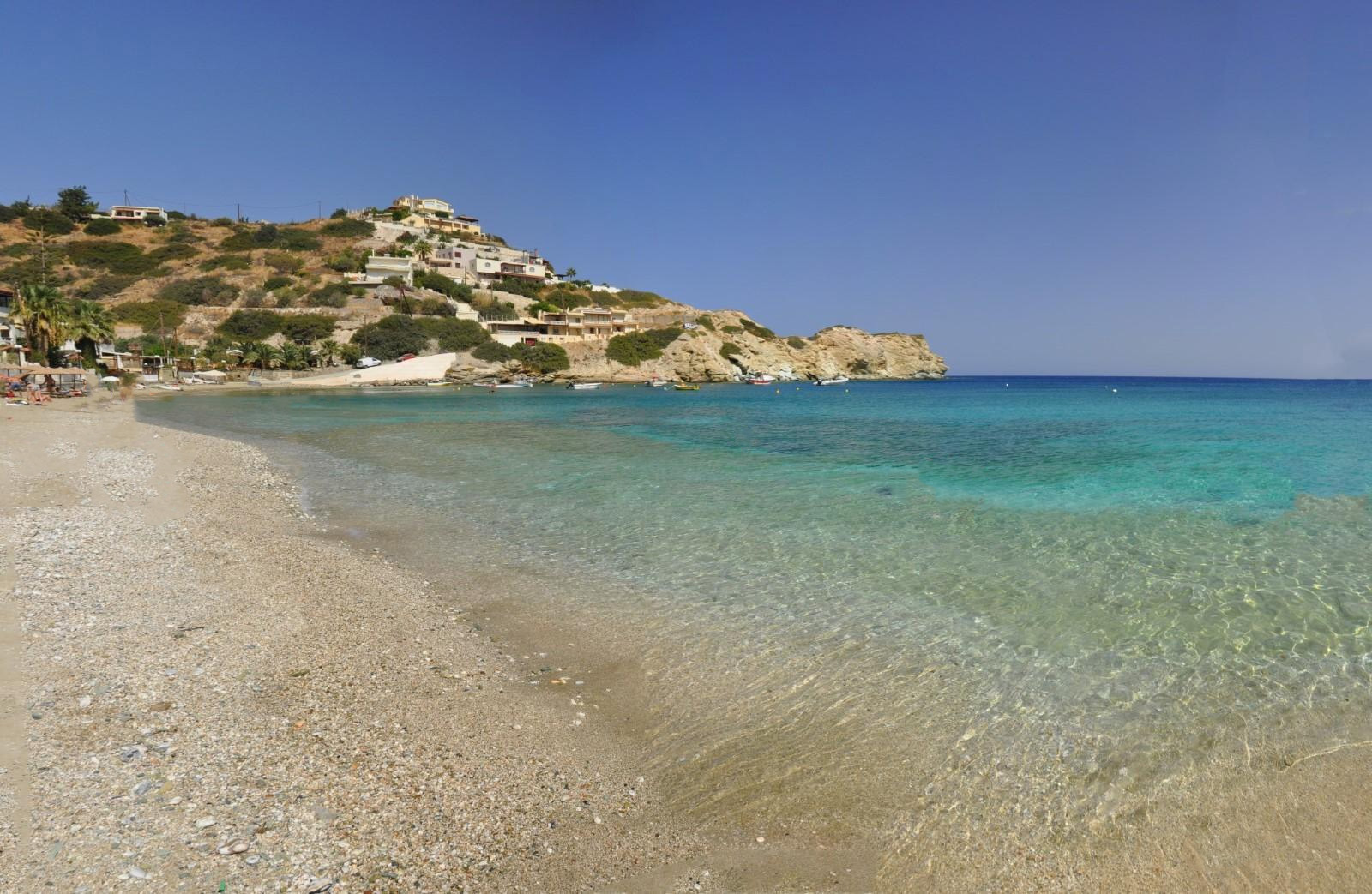
Lygaria Maleviziou is located in the region of Achlada, 21 km northwest of Heraklion and 1 km east of Agia Pelagia. The bay of Lygaria is semi-enclosed and protected from the frequent north winds of the area. Here is the church of Panagia which was the catholicon of the now destroyed monastery of Panagia Lygariani or Deligara. The monastery in turn does not take its name from the beautiful ligaria plant, with its flexible branches and beautiful pink flowers, as they say, but from the feudal lord – owner of the area during the early Venetian period who it was called Ligaras.
The beach is very beautiful with coarse sand and calm blue-green waters, while the little boats make the scenery picturesque. Its eastern part is less protected from the waves. Along the beach there is gravel, except for a few places where there is sand. It is very well organized with umbrellas, sunbeds, water sports, diving school, cafes, taverns and rooms. Especially on summer weekends it is best to avoid it as the crowds, narrow streets and few parking spaces make the trip to the beach quite irritating.
Behind the cape that protects the beach in the west is the hidden beach of Paraspongario, with coarse sand and pebbles, but more open to the north. It leads to a stone path that starts from a house on the edge of the cliff.
Paleokastro beach
Paleokastro is located 14 km west of Heraklion, east of the Vasiliko mountain and on the outskirts of the Rogdia village. The beach is formed at the exit of a small valley through which streams flow down from Rogdia, the area of the Savvathianon Monastery to Achlada, with the best known of these streams being the Rechtra gorge. The bay of Paliokastro is protected on both sides by high rocks and faces east.
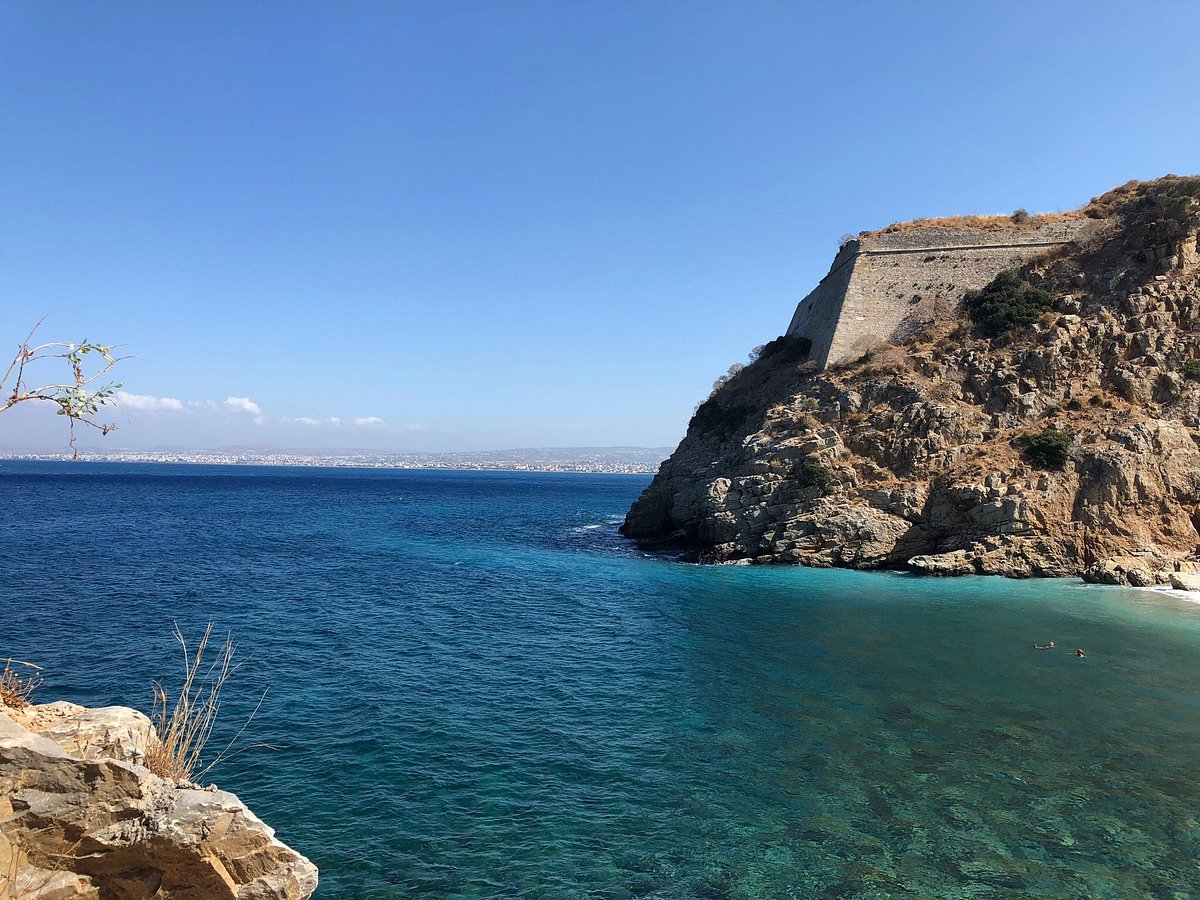
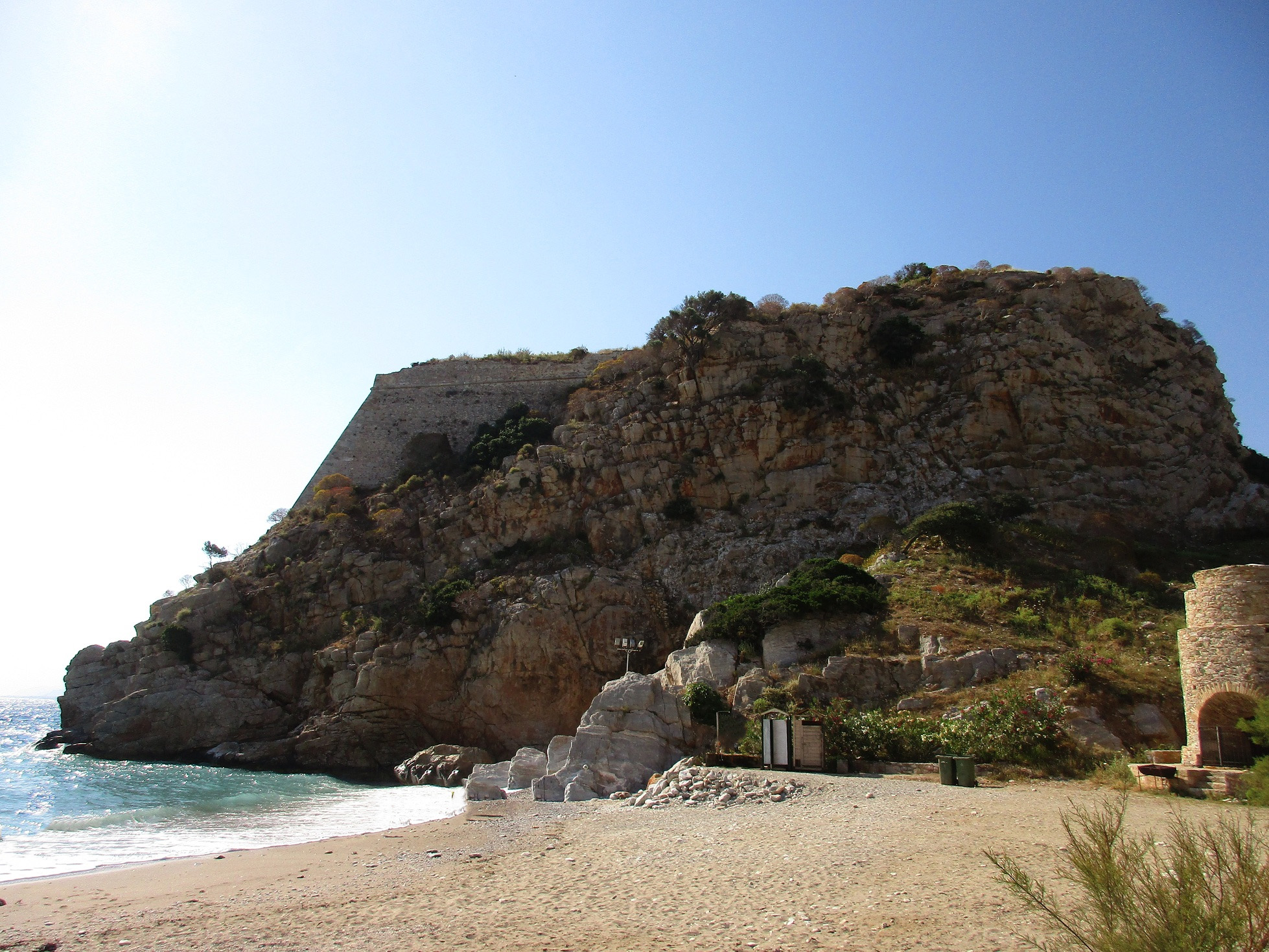
To the east of the beach rises a limestone rock, on the top of which once stood Paleokastro, the Venetian fortress that protected the bay of Heraklion from enemy raids. This castle, whose part of the walls is preserved, is considered to have been built on the acropolis of the ancient city Kytaion.
Paliokastro is one of the most favorite beaches of the residents of Heraklion, who come with their families on a daily basis. Many of them, most of them originally from Rogdia, have also built their holiday homes here. The beach is a little organized and has several taverns that serve mainly seafood. In front of the beach there is a very old lime kiln, which is one of the best examples of such constructions in the whole of Crete.
The sea is deep and in its western part has very large pebbles. In the rocks below the fort, large natural steps are formed, which you can climb and dive from any height you want, from 1 to 20 meters. There you will see lots of kids competing to see how high they can jump and who can do the best stunts. Also, a tall and narrow dark cave forms between the diving rock and the beach. According to an unconfirmed version, there was a portico that led from the castle directly to the sea as an escape exit, which might also have been this cave.
Holy Monastery of Sabvathianon
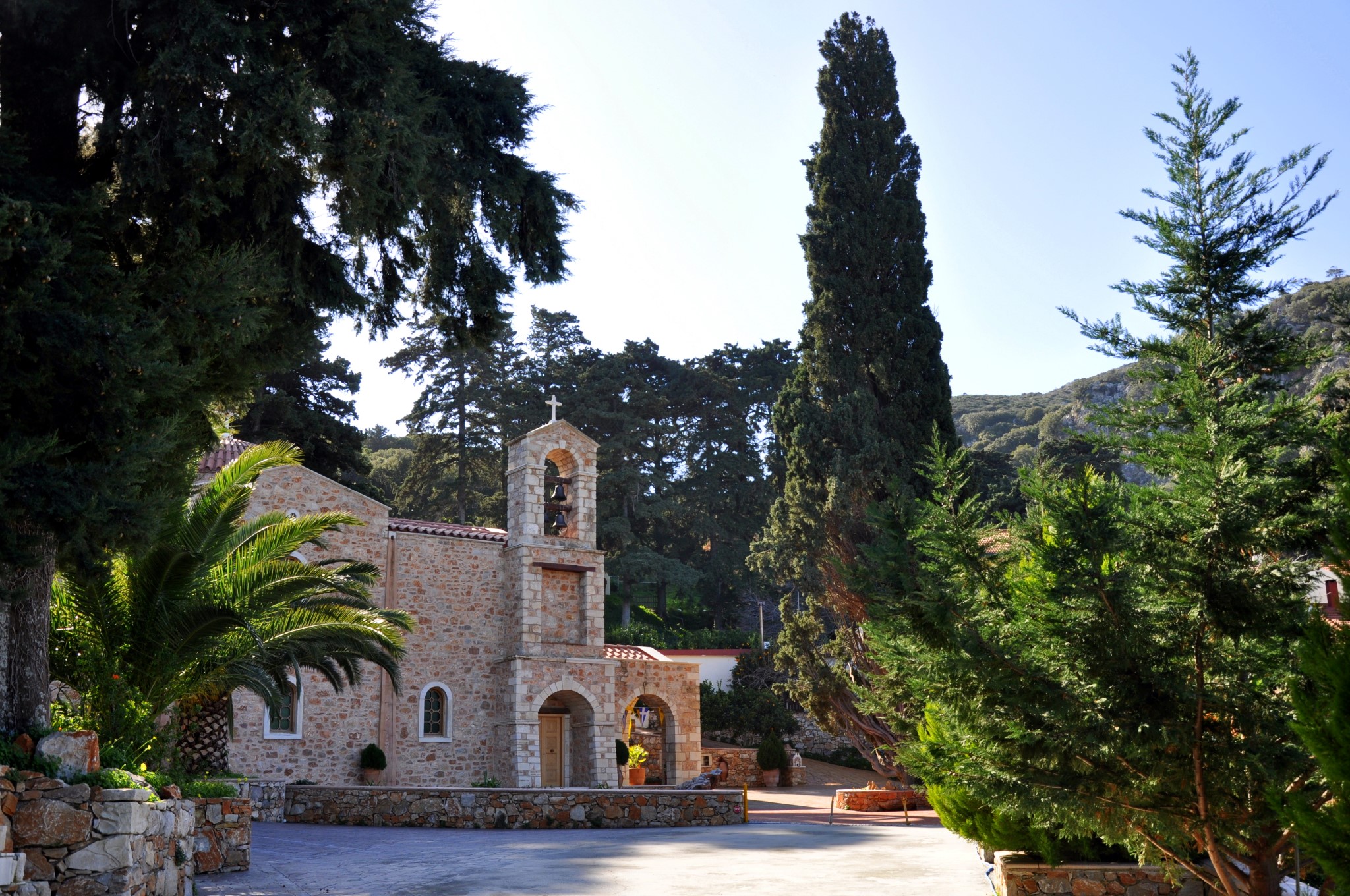
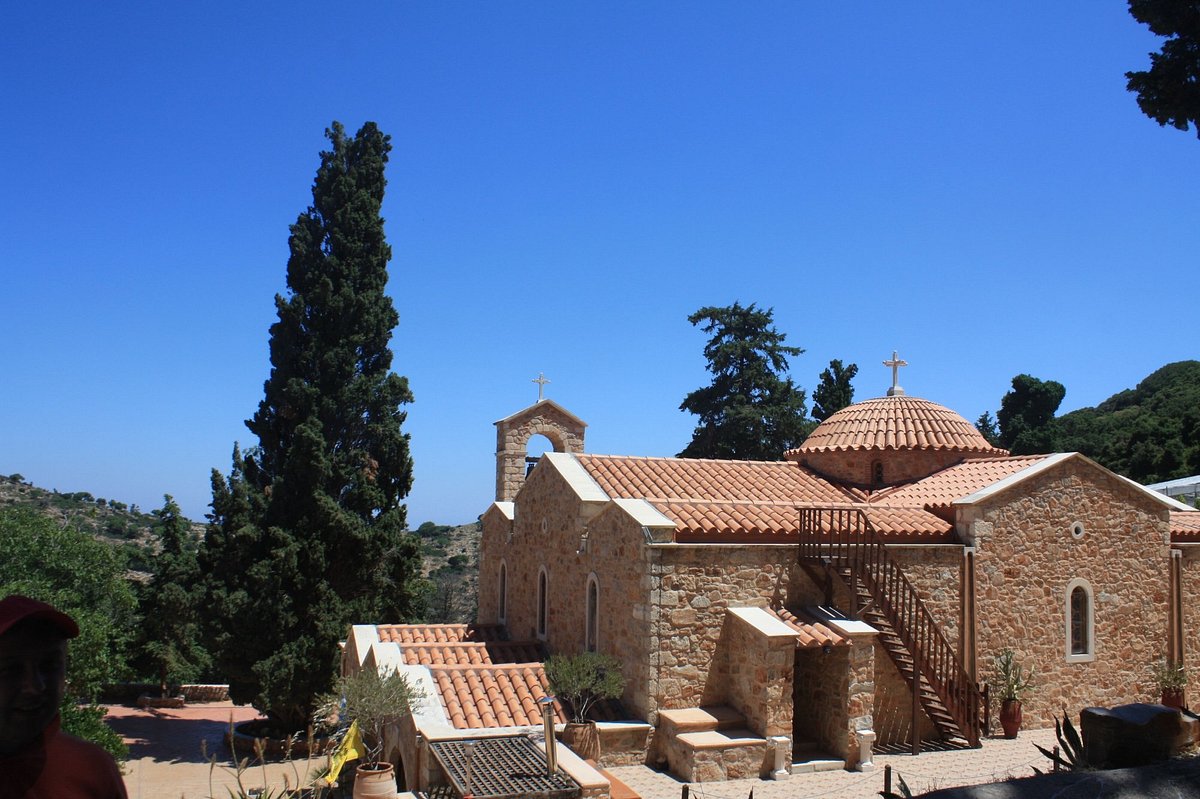
The Moni Savvatianon is located in a beautiful green and well hidden area near Rogdia of Heraklion, at an altitude of 440m and at a distance of 20km west of the city. Access is via a paved road that starts through the village of Rodia. It is one of the few remaining monasteries that functioned in the area during the Venetian occupation, which suffered the merciless cruelty of the Turks. The monastery is built in a naturally fortified position, probably to protect the monks from the predatory raids of pirates before the Venetian occupation. During the Venetian rule, it seems that it was the strongest monastery in the area, even from the Monastery of Agia Pelagia which was located on the north side of the beach of Agia Pelagia, which even became a share of the Sabbatians.
From the entrance of the monastery begins a beautiful path, drowned in vegetation, that leads to the monastery. Very close to the monastery, at a distance of 200m, is the cavernous church of Agios Antonios, which probably functioned as a separate monastery. The church also has a second, newer nave dedicated to Agios Savvas. Access is via a beautiful path with a stone bridge. The central church of the Sabbateans is relatively new and is dedicated to the Genesis of the Virgin and the Forty Martyrs. The monastery has been renovated in recent years, without losing its elegance. On the site of the Monastery there are also the cemetery, the ossuary, an old mill, the dining room for strangers, the old mansion, the cells of the monks and the old aqueduct.
The monastery is female and the nuns are known for their fine priestly vestments, which they make on Cretan looms as well as Cretan embroidery. In the monastery is kept the very old icon "Great is Lord" by Ioannis Kornaros, a copy of which is also in Toplou Monastery. The icon was considered lost until 1991, when the archaeological service cleared a blackened icon and the old iconography was revealed.
Rodi Tavern
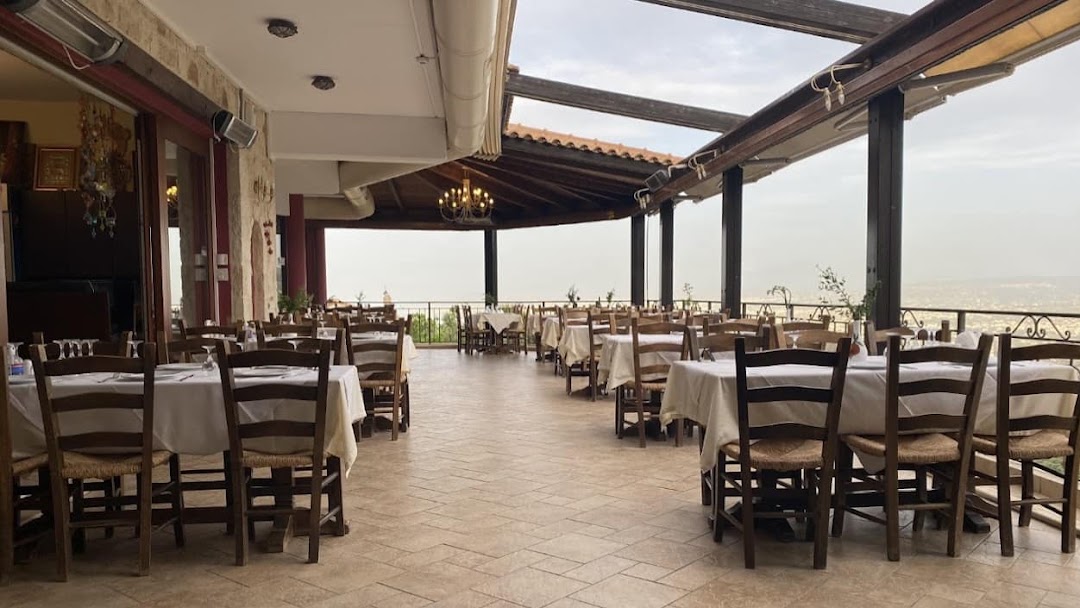
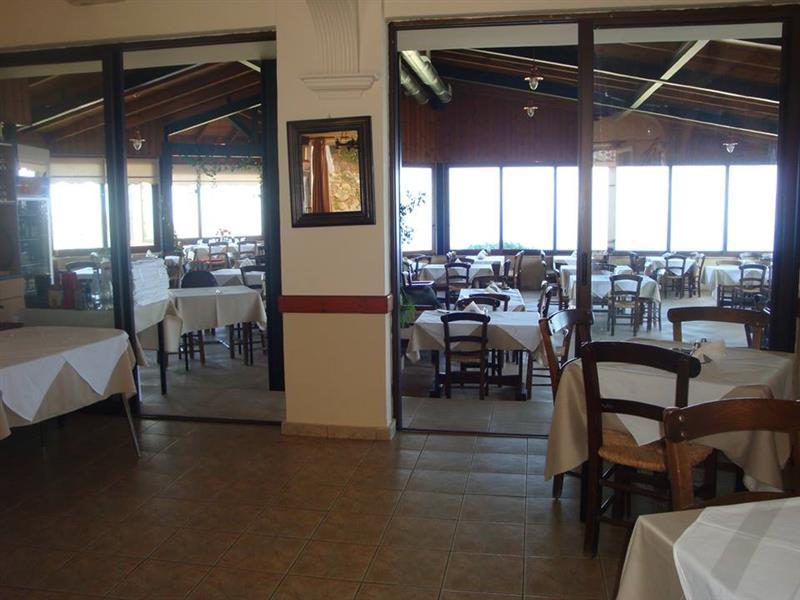
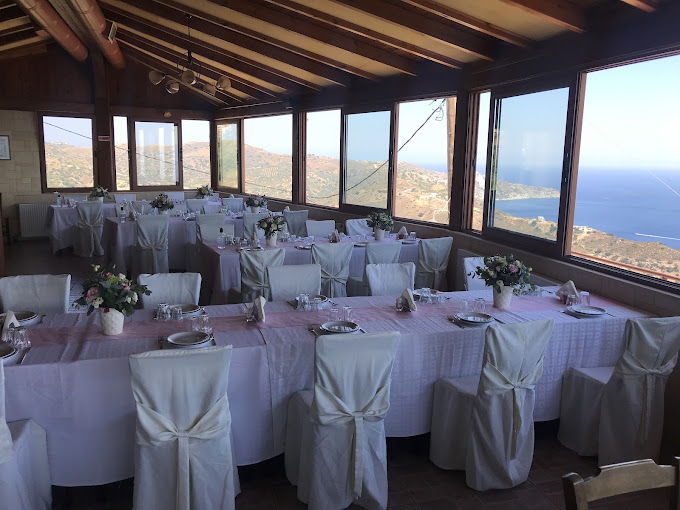
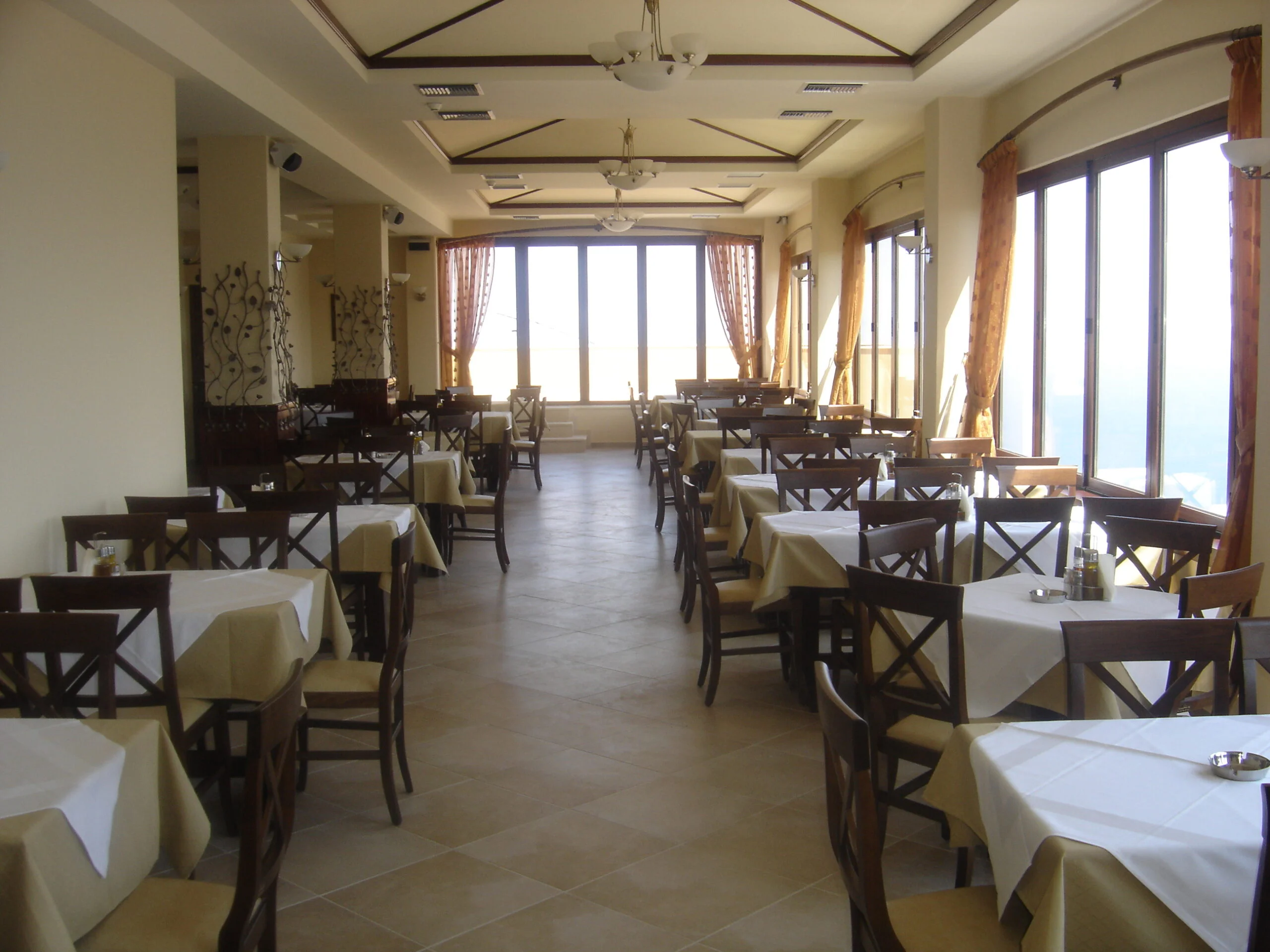
Rodi is a wonderful tavern located in the picturesque village of Rodia in Heraklion, Crete. With its traditional atmosphere and welcoming service, this tavern offers an authentic Cretan culinary experience. Her dishes are amazing, with fresh and local ingredients that highlight the rich taste of Cretan cuisine. Guests can enjoy traditional dishes such as hochlios, hare in the shell and kaltsouni, while the variety of appetizers and desserts is equally impressive. With its enchanting location and the panoramic view of the Cretan nature, the "To Rodi" tavern is ideal for unforgettable dining experiences.
The "Remvi" tavern in the village of Rodia in Heraklion in Crete is a traditional gastronomic destination worth visiting. With its authentic atmosphere and warm hospitality, it offers fine flavors of Cretan cuisine. The dishes of "I Remvi" are traditional and delicious, with an emphasis on fresh local ingredients. You can enjoy fine meats, roasts, and seafood, such as the pork loin with fries, the fish of the day stuffed with vegetables, and the traditional sausage. With its excellent cuisine and its beautiful location, the "Remvi" tavern is a destination for unforgettable dining experiences.
The "Thea" tavern in the village of Rodia in Heraklion in Crete promises you a unique culinary experience with a breathtaking view. Located on a green slope, the tavern offers a fantastic view of the sea and the natural landscape of Crete. The dishes are full of authentic Cretan flavor, with fresh raw materials and local ingredients. You can enjoy classic delicacies such as meat soup with roast lamb, pork souvlaki with peppers and local onions, and fresh seafood flavors. With the ideal combined view and cuisine, the "Thea" tavern is the destination for a magical dining experience.
Η ταβέρνα “Αλωνάκι” στο χωριό Ροδιά του Ηρακλείου στην Κρήτη είναι ένας προορισμός για αυθεντική και γευστική απόλαυση. Με την όμορφη παραδοσιακή ατμόσφαιρα και τη ζεστή φιλοξενία, η ταβέρνα προσφέρει εκλεκτές κρητικές γεύσεις. Τα πιάτα είναι φρέσκα και παραδοσιακά, με γνήσια κρητικά υλικά που αναδεικνύουν την πλούσια κουζίνα της περιοχής. Μπορείτε να απολαύσετε λαχταριστά εδέσματα όπως κρεατόσουπα, λαγό στη γάστρα και καλτσούνι, ενώ οι θαλασσινές γεύσεις και τα επιδόρπια συμπληρώνουν το μενού με τον καλύτερο τρόπο. Απολαύστε τη γαστρονομική απόλαυση και την πανοραμική θέα, κάνοντας την επίσκεψή σας στην ταβέρνα “Αλωνάκι”.
Η ταβέρνα “Χαρίλαος” στο χωριό Ροδιά του Ηρακλείου στην Κρήτη είναι ένας γαστρονομικός παράδεισος που προσφέρει αυθεντική κρητική κουζίνα σε μια φιλόξενη ατμόσφαιρα. Οι ιδιοκτήτες, με χρόνια εμπειρίας και αγάπη για τη μαγειρική, επιλέγουν τα καλύτερα υλικά και παρουσιάζουν πιάτα γεμάτα γεύση και παράδοση. Από την χειροποίητη ψητή χοιρινή στα σπιτικά κρεατόσουπα και τις φρέσκες θαλασσινές γεύσεις, κάθε πιάτο αναδεικνύει την αγνότητα και την πλούσια κουζίνα της Κρήτης. Απολαύστε τον εκλεκτό φαγητό, τη θερμή φιλοξενία και την αξέχαστη εμπειρία στην ταβέρνα “Χαρίλαος”.